
The Future is Public: KoWi Salzburg designs democratic media spaces
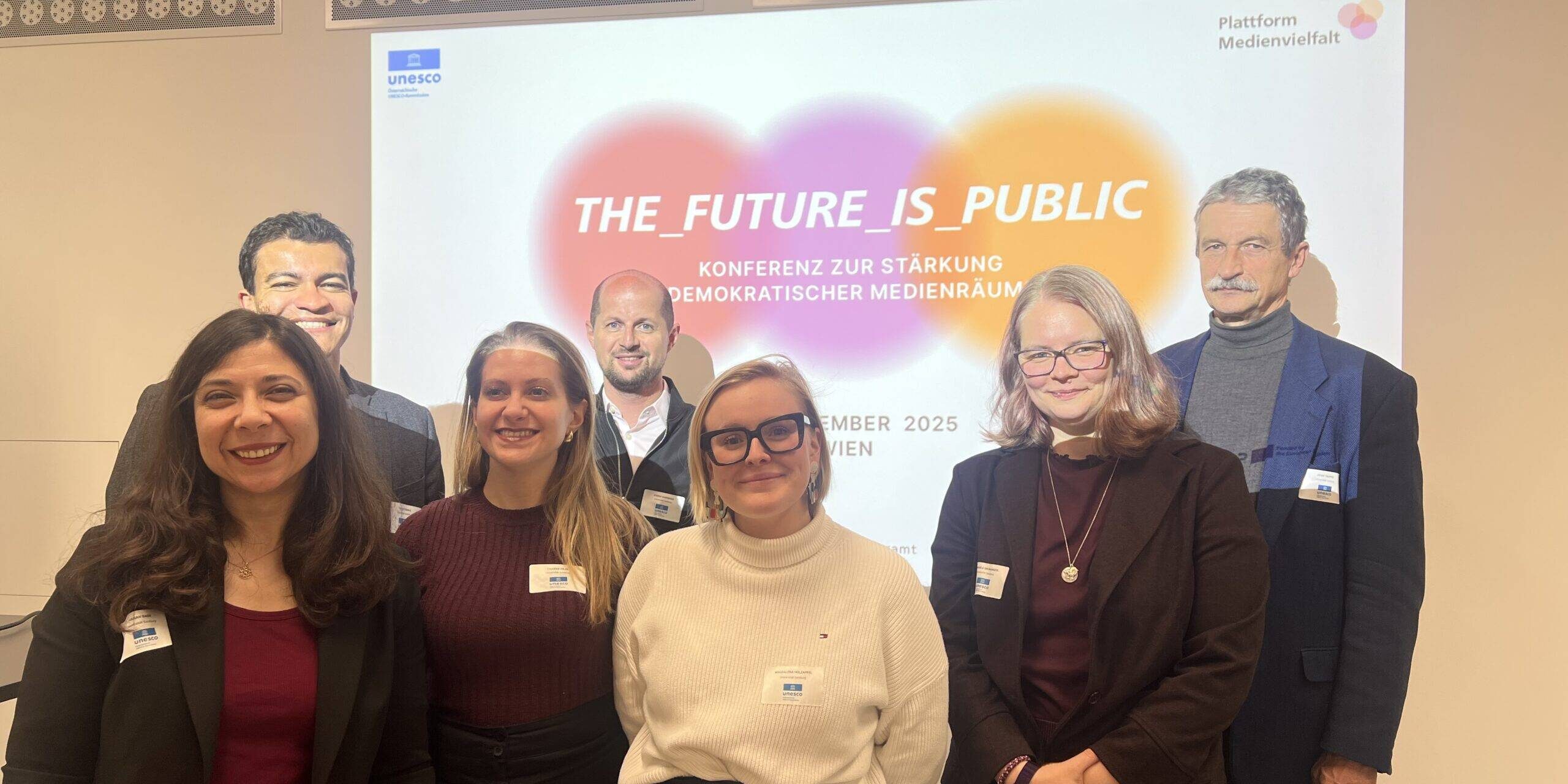
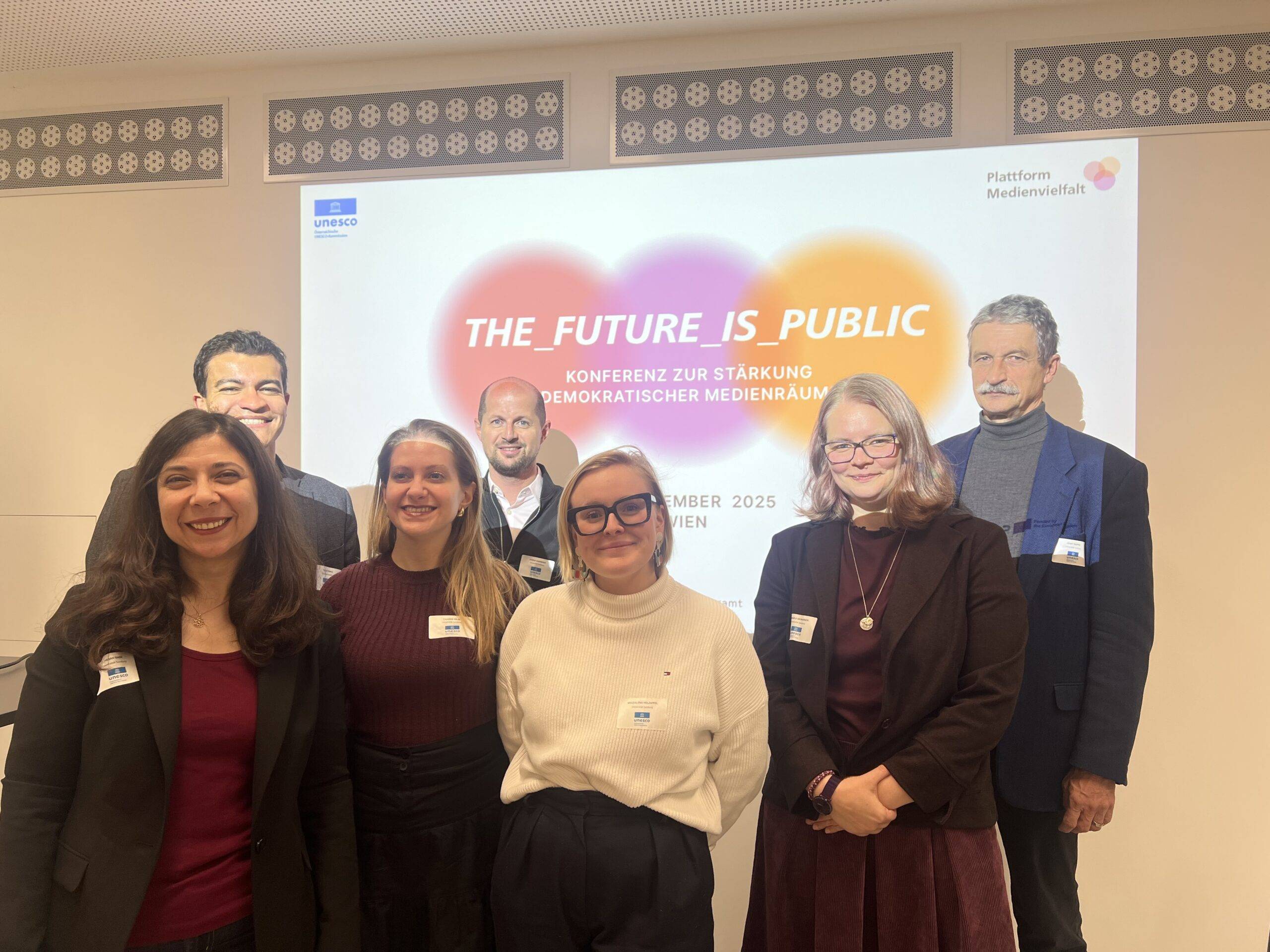
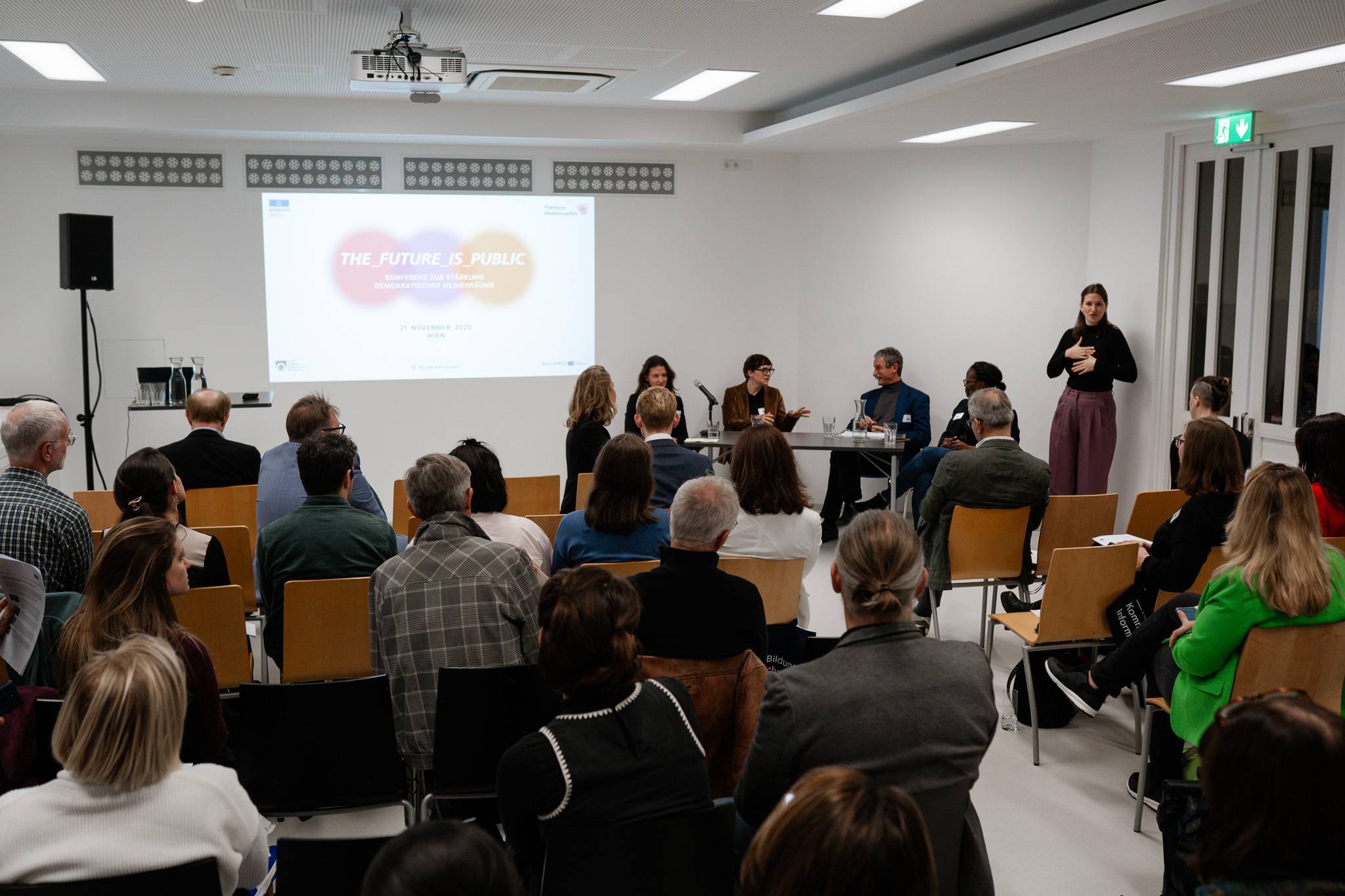
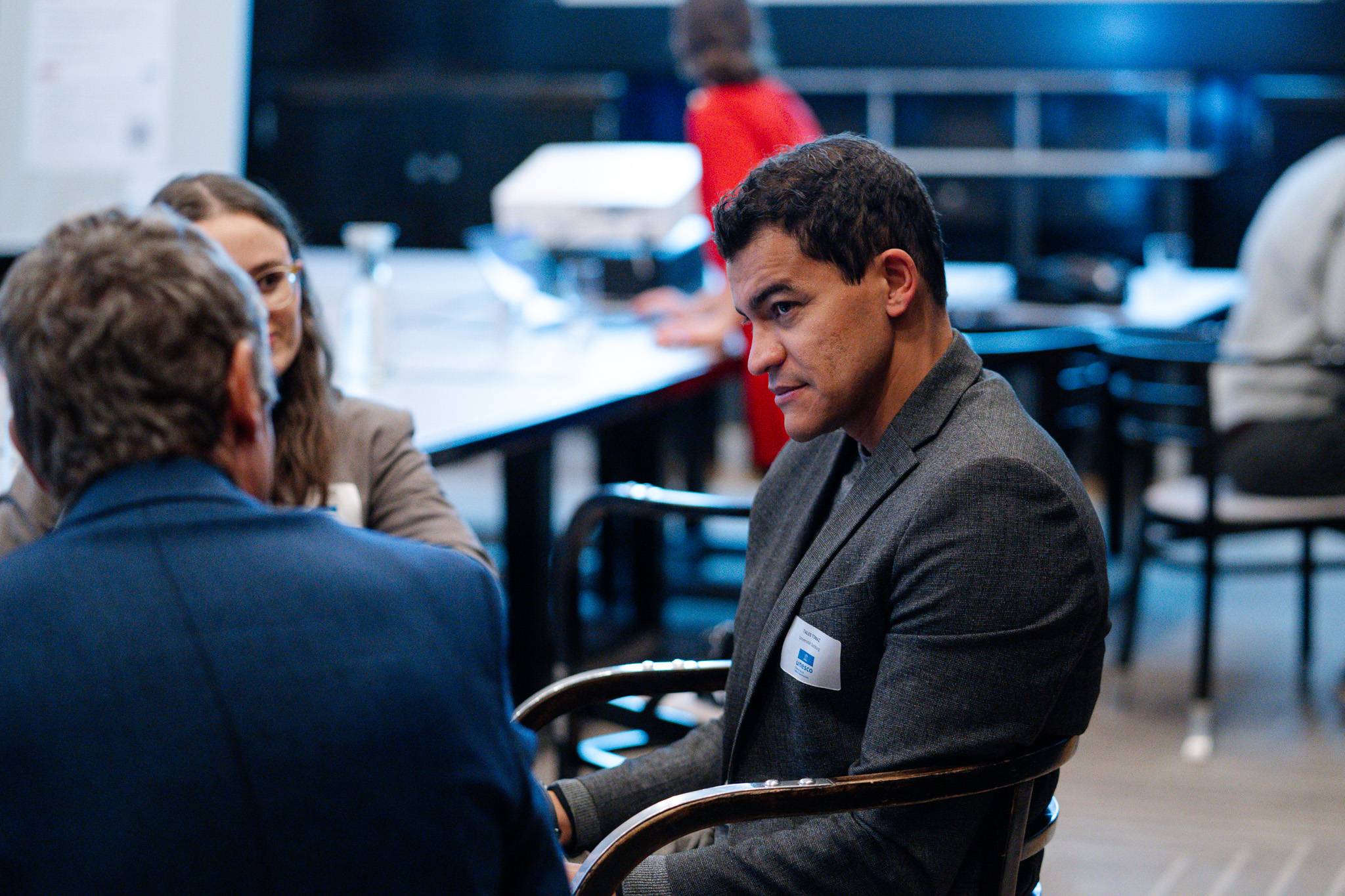
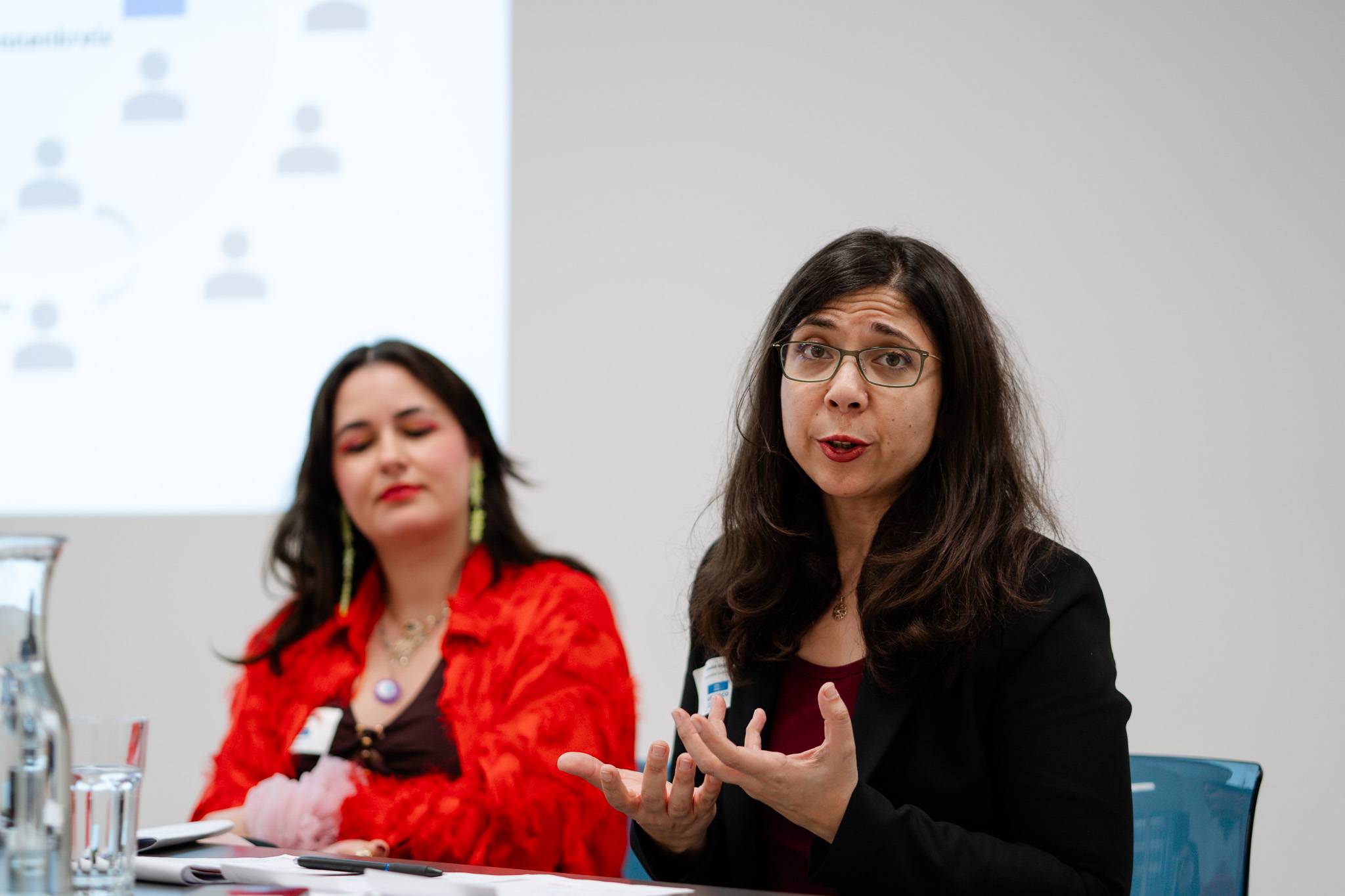
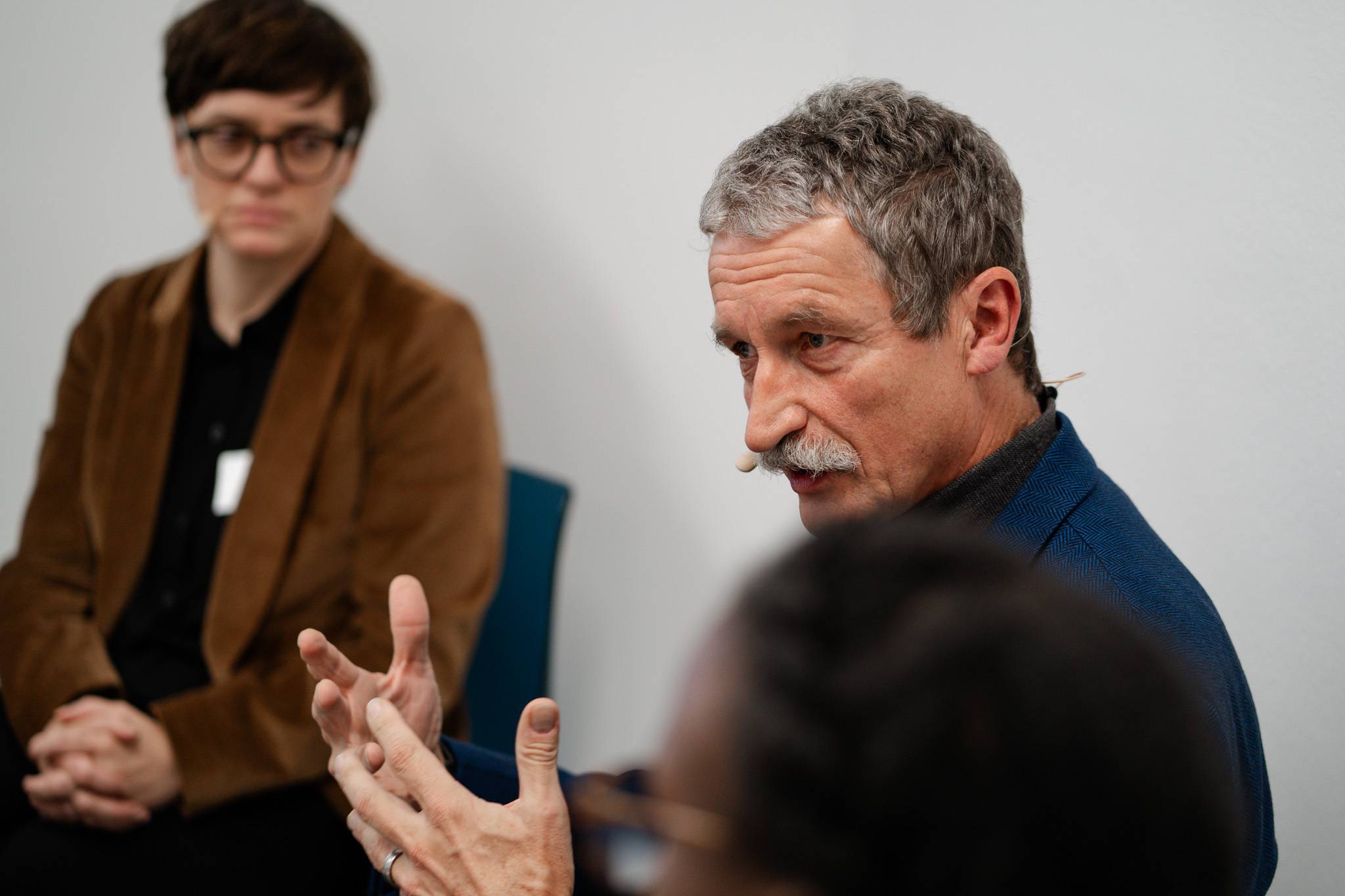
Hanan Badr, Stefan Gadringer, Manuela Grünangerl, Tales Tomaz, and Josef Trappel took to the stage at the conference “The Future is Public – Conference on Strengthening Democratic Media Spaces,” organized by the Austrian UNESCO Commission on November 21, 2025, in Vienna and supported by the department, among others. In a series of presentations, they discussed the design of media policy to strengthen democracy, diversity in editorial offices, and current research findings from the department.
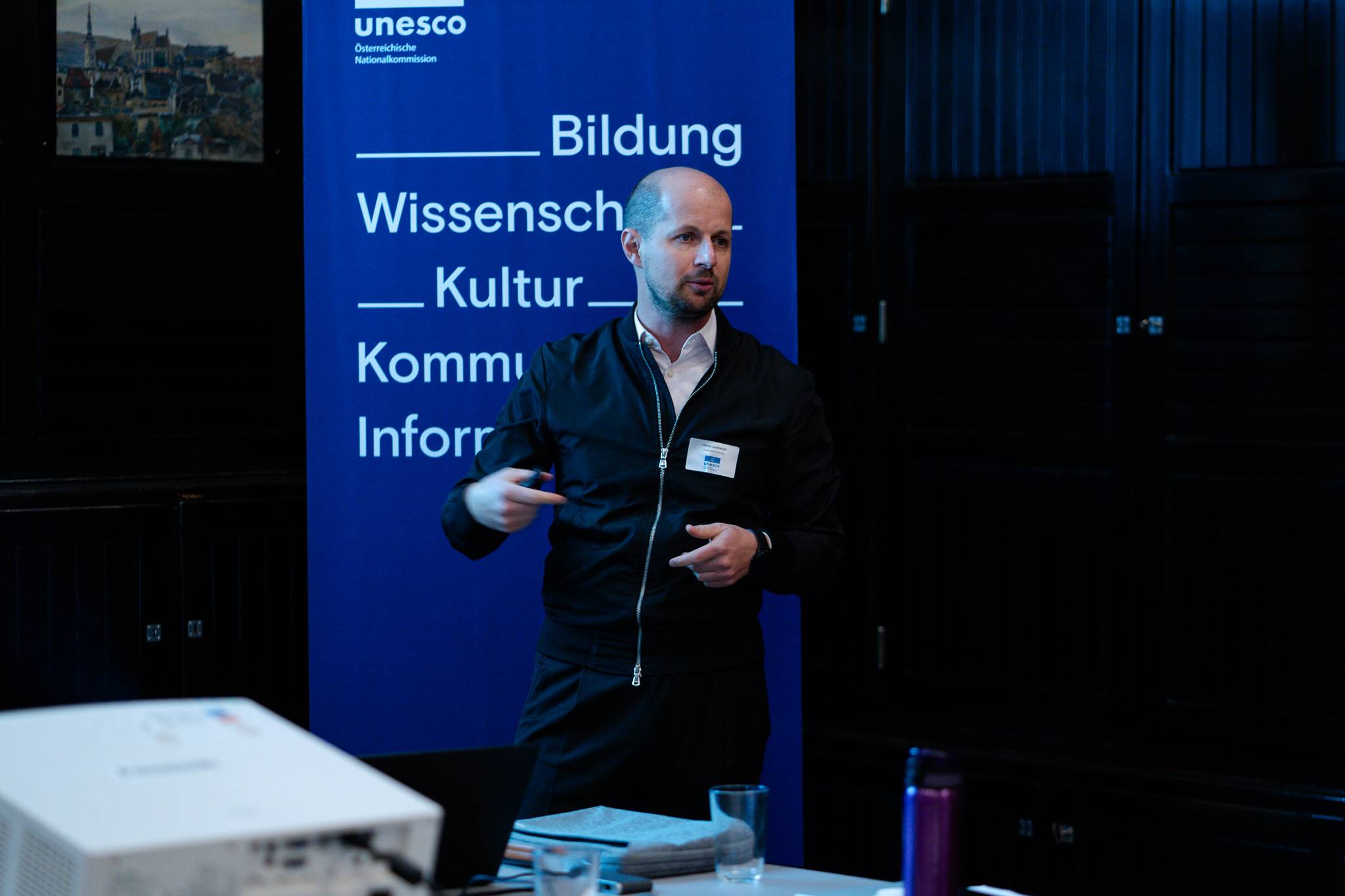
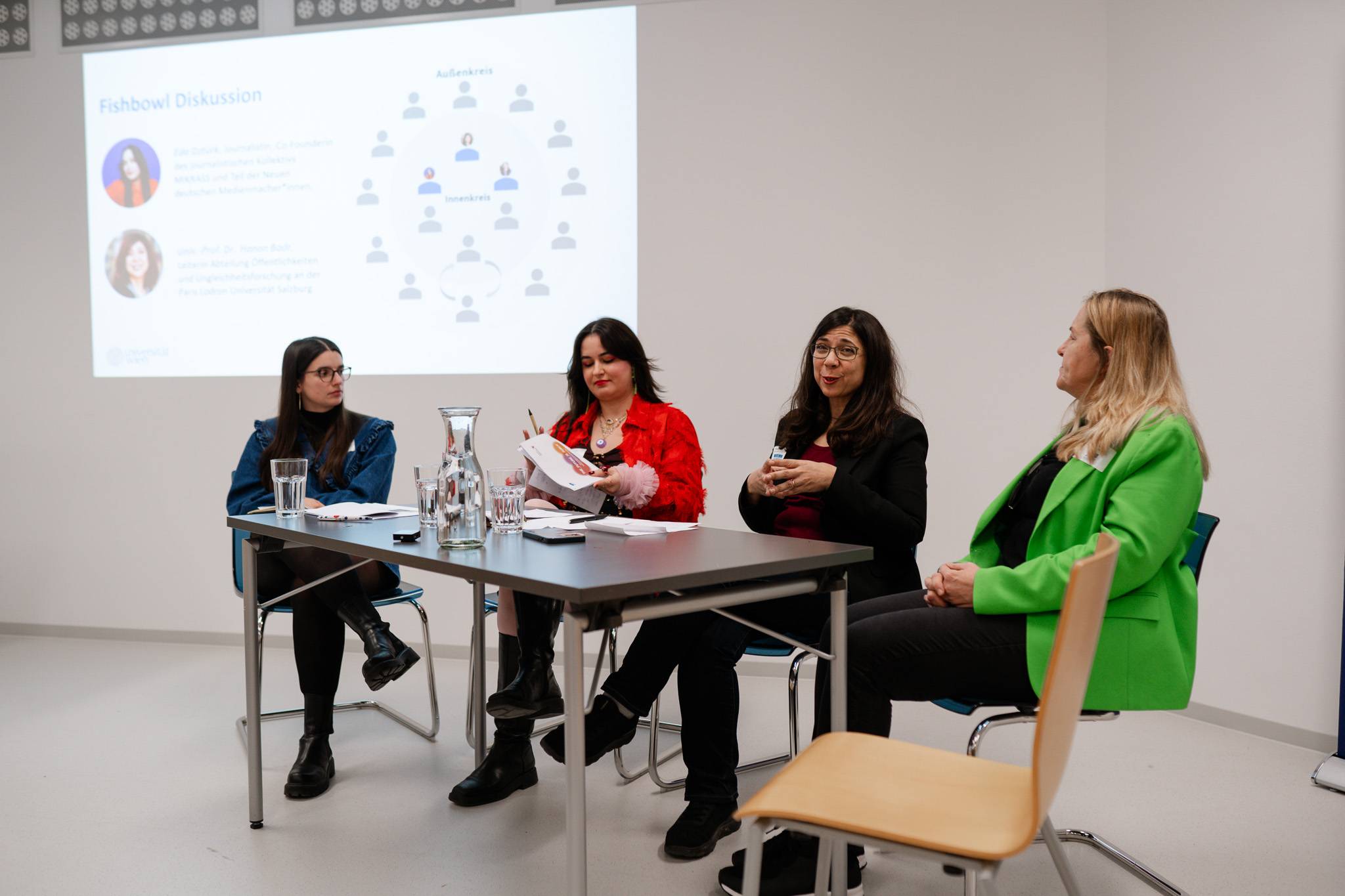
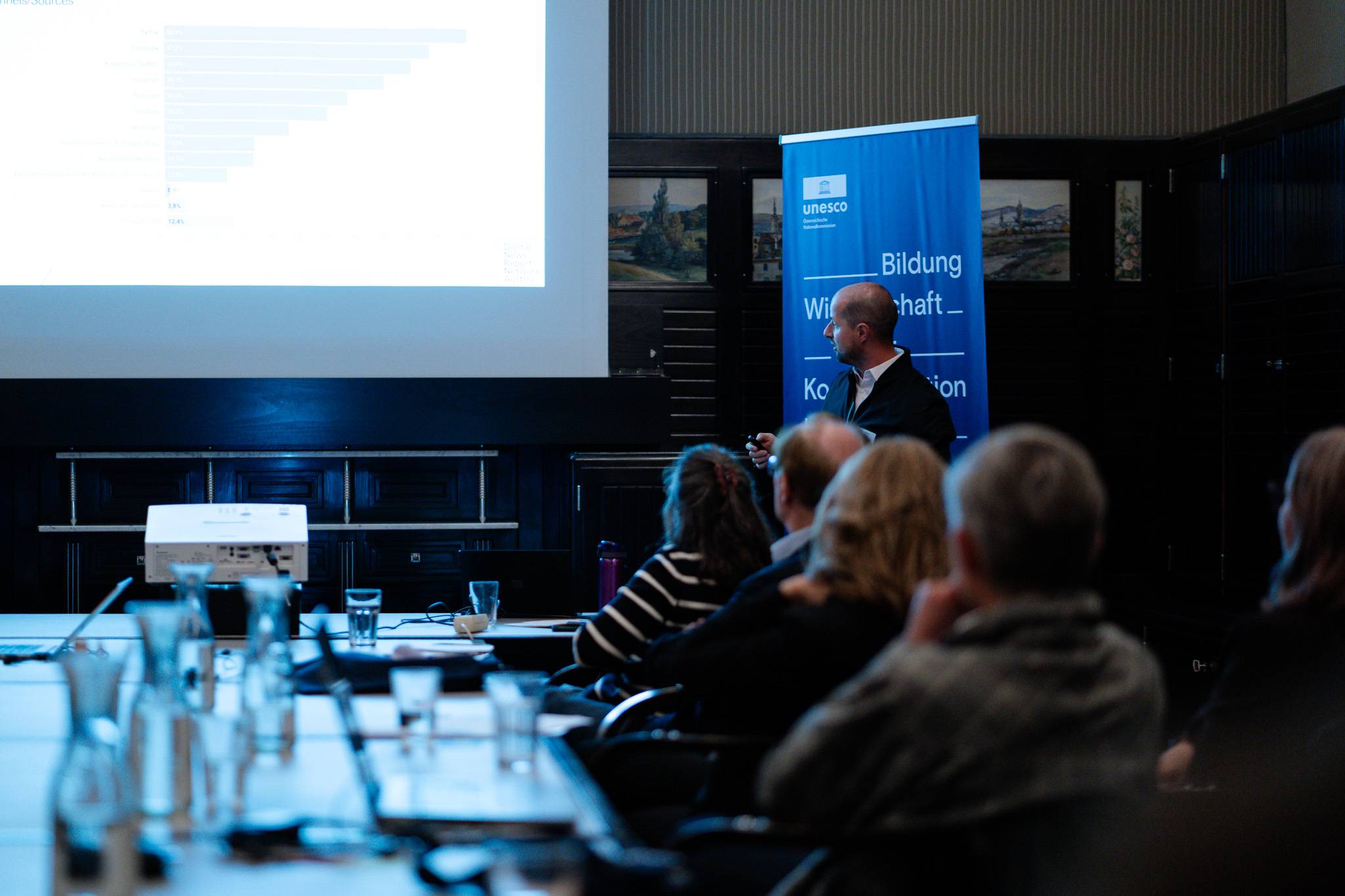
To kick things off, Josef Trappel discussed current challenges in media regulation as part of the opening panel “Shaping media (policy) – strengthening democracy.” Hanan Badr participated in the session “Between Ignorance and Everyday Routine: Why is Diversity Often Lost in the Self-Image of Austrian Journalists?”, which addressed structural obstacles and necessary reform approaches with regard to diversity in journalism. Finally, Tales Tomaz, Stefan Gadringer, and Manuela Grünangerl presented current projects of the Division Media Politics and Media Economics under the title “Media Power, Misinformation, and Digital Skills: How Austria Compares Internationally.” The focus was on the findings of the Digital News Report 2025 and the recently published Euromedia Ownership Monitor, as well as initial insights into the results of Digital Skills Austria 2025.
Throughout the day, numerous presentations and panel discussions provided a comprehensive overview of the obstacles facing journalism and the media industry.
Thawab Hilal (Division Public spheres and inequalities) and Magdalena Holzapfel (Division Media politics and media economics) also took part in the conference.
Current results report from the Austrian UNESCO Commission’s “Media Diversity” platform, with reflections and recommendations for action for a sustainable media policy in Austria: here.
Photos: ÖUK/Ramona Arzberger